What's in this note
- The short answer: does home insurance cover sewer backup?
- The gap between two things you assume are covered
- Why a standard policy excludes water that comes back up
- Backup is not flood, so the flood policy does not answer either
- What counts as a backup on a policy form
- Municipal main backup versus a blockage on your own lateral
- Sump pump failure and the power cut that causes it
- Ground water and seepage: the case the endorsement often skips
- How the water backup endorsement works
- The sub-limit is where people get hurt
- What the endorsement typically pays for
- What the endorsement will not pay for
- Service line coverage: the pipe itself is a separate endorsement
- A worked example: a finished basement against a sub-limit
- Choosing a sub-limit that matches your basement
- The deductible on a backup claim
- Contamination and why cleanup dominates the bill
- Can you make the city pay?
- Reading your declarations page for backup coverage
- How to file a sewer backup claim
- The prevention that actually pays
- Backwater valves, sump backups, and what they cost
- Renters and condo owners have their own version of this gap
- What backup coverage costs against what it saves
- The bottom line
Short answer: Almost always no, not on a standard policy. Water that backs up through a sewer, drain, or sump is a standard exclusion on most homeowners forms, and it is not a flood as flood is defined, so a flood policy generally does not respond either. A water backup endorsement buys the coverage back, usually for an illustrative few dozen dollars a year, but carries its own sub-limit, illustratively $10,000, far below a finished-basement loss.
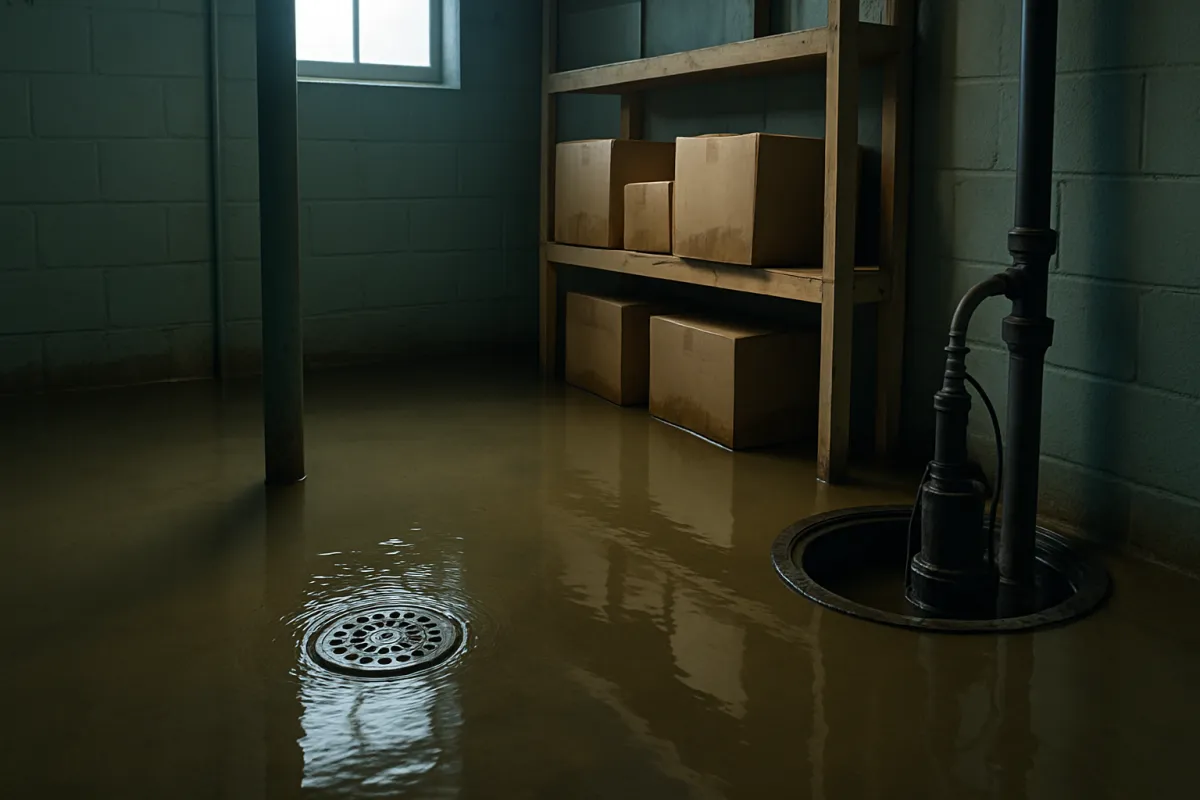
Does home insurance cover sewer backup? Almost always no, not on the policy you already have. Water that comes back up through a floor drain, a toilet, a sewer lateral, or a sump pit is one of the standard exclusions on most homeowners forms, and it is excluded even though a supply pipe bursting inside the same house on the same night would be a textbook covered loss. That gap between two events that feel identical to the homeowner standing in the water is the entire subject of this article.
The gap is wider than most people realize, because the second thing homeowners assume will catch them does not either. A backup is not a flood in the insurance sense, so a separate flood policy generally does not respond to it. A household can hold a standard homeowners policy and a flood policy and still own the loss outright. The fix is a small optional endorsement with a sub-limit far below the dwelling limit, and that sub-limit is where the real money is decided. This coverage note works through the exclusion, the endorsement, the three different backup scenarios that are treated differently, the service line problem next door to it, and the prevention that actually pays. Our coverage note on plumbing covers the pipe-versus-damage split and our coverage note on water damage covers the sudden-versus-gradual line, so this one stays on the backup itself. Run your own numbers in the companion below as you read.
Key takeaways
- Water that backs up through a drain, a sewer line, or a sump is normally excluded on a standard homeowners policy, even though a burst supply pipe inside the house is commonly covered.
- A backup is also not a flood as flood is defined, so a separate flood policy generally does not respond either, which leaves the loss sitting between two policies.
- A water backup endorsement buys the exclusion back, usually for an illustrative few dozen dollars a year, but it comes with its own sub-limit far below your dwelling limit.
- That sub-limit is where people get hurt: an illustrative $28,000 finished-basement loss against an illustrative $10,000 sub-limit and a $1,000 deductible pays about $9,000 and leaves about $19,000 with you.
- The endorsement pays for cleanup and damaged property, not for the buried lateral itself, which needs a separate service line endorsement, and the prevention that pays is a backwater valve, a sump with backup power, and nothing valuable sitting on the basement floor.
The short answer: does home insurance cover sewer backup?
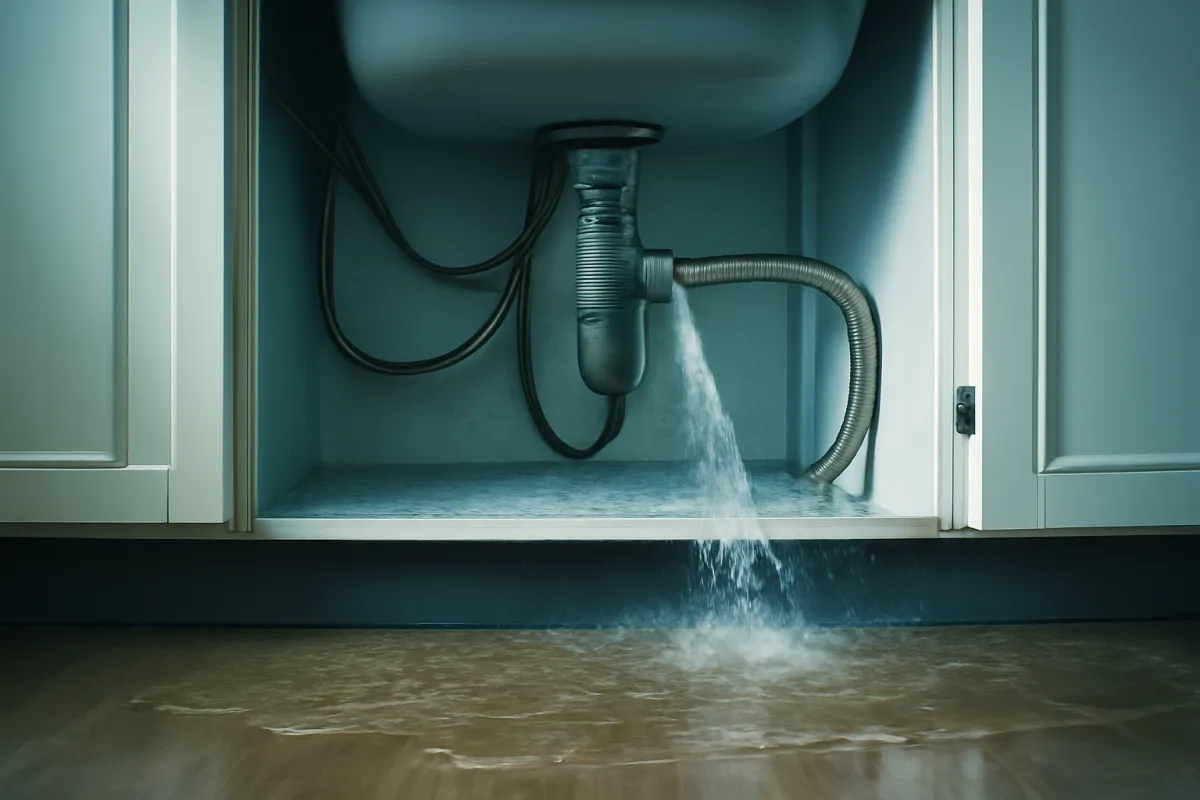
Here is the whole answer in one paragraph before the detail. A standard homeowners policy pays for sudden accidental discharge of water from a system inside the home, and it specifically excludes water or waterborne material that backs up through sewers or drains or overflows from a sump or related equipment. Those two clauses sit only a few lines apart on most forms, which is why the same house can produce a covered loss and an excluded one on the same evening depending purely on which direction the water was moving. If the water came out of a pipe that was supposed to be carrying it toward you, the loss is commonly paid. If it came back up out of a pipe that was supposed to be carrying it away from you, the loss is commonly excluded.
That is not a technicality invented by one carrier. It is a standard feature of most homeowners forms, and it is the reason a backup endorsement exists as a separate product at all. If backup were already covered, no one would sell an add-on for it. Every figure in this article is illustrative and chosen to show the shape of the math rather than to quote any policy, and the availability and wording of the endorsement vary by carrier and by state.
The gap between two things you assume are covered
Most homeowners hold two beliefs that are each reasonable and that combine into a false sense of security. The first belief is that home insurance covers water damage. Broadly it does, for sudden internal water, and our coverage note on water damage walks that side in detail. The second belief is that a flood policy covers the water that comes from outside. Broadly it does, for water that rises and covers normally dry land. Between those two beliefs sits a category of water that fits neither description: water that was already in the drainage system and came back into the house through the fixtures.
Standing in a wet basement, that water looks exactly like the water in either of the other two stories. It is the same depth, it ruins the same drywall, and it soaks the same boxes. But the insurance treatment is entirely different, because coverage follows the pathway rather than the appearance. This is why sewer backup produces so many surprised phone calls: the homeowner is not confused about their policy in general, they are confused about a specific pathway that no one told them was carved out. Reading the exclusions section once, before anything happens, is the cheapest defense available, and our coverage note on what a policy actually covers sets out the six standard coverages that the exclusions carve into.
Why a standard policy excludes water that comes back up
The exclusion is not arbitrary, and understanding the logic makes the endorsement easier to size. Insurers exclude perils that are either highly correlated across many policyholders at once or heavily driven by conditions outside the insured’s control. Sewer backup is both. A heavy rain event can push a municipal system past capacity across an entire neighborhood on the same night, which turns thousands of independent small risks into one large correlated one. That is the same reason flood is excluded and priced separately.
The second reason is causation. A backup often traces to the condition of infrastructure that the homeowner neither owns nor maintains, or to a blockage that built up slowly through root intrusion, grease, or debris. Slow-building conditions sit on the maintenance side of the line that homeowners policies draw everywhere else, so a peril that frequently starts as a maintenance issue is an awkward fit for a sudden-and-accidental form. Excluding it by default and selling it back as a rated endorsement lets the carrier price the exposure specifically, ask about your basement and your equipment, and cap what it pays. That capping is not a footnote; it is the design, and the next several sections are about what it does to your recovery.
Backup is not flood, so the flood policy does not answer either
This is the part that catches even careful homeowners. Flood, in insurance terms, is a defined event: water that rises and covers normally dry land from outside the home, from a river, a storm surge, a flash flood, or surface water that overwhelms the drainage. A separate flood policy is written against that definition. A backup that begins inside the sewer or the drain system, whether from a blockage in your lateral, a surcharged municipal main, or a stalled sump, is generally not that event, so the flood policy generally does not respond.
There is a narrow exception worth knowing rather than relying on. Some flood coverage responds where a backup is directly and demonstrably caused by flooding on the insured property rather than by a blockage or a mechanical failure. That carve-in is fact-specific, and proving it requires evidence about what the water was doing outside your home at the time. Treat it as a possible secondary route, not as your plan. If you are sizing flood cover for a genuinely flood-exposed property, our flood-sizing note handles that question separately, and it does not substitute for the backup endorsement discussed here.
Illustrative backup losses against illustrative endorsement sub-limits
Rough, illustrative loss sizes for a sewer or drain backup by how finished the space is, plotted on the same scale as the sub-limits that backup endorsements commonly carry. Actual costs and available limits vary widely by carrier, region, and the facts of the loss.
Bars are scaled to the ~$28,000 top figure. The dark bars are losses and the light bars are ceilings, and the lesson is how easily the top two losses clear the bottom two ceilings. A finished lower level is precisely the case where the smallest sub-limit stops mattering fastest.
What counts as a backup on a policy form
The exclusion language on most forms is broader than the phrase sewer backup suggests, and reading it closely is worth the five minutes. Typical wording reaches water or waterborne material that backs up through sewers or drains, and separately water or waterborne material that overflows or is discharged from a sump, sump pump, or related equipment, even if the overflow results from a mechanical breakdown. Those are two different fact patterns joined into one exclusion, which is why an endorsement that names only one of them leaves a hole.
The phrase waterborne material matters too, because a sewer backup is rarely clean water. It carries whatever was in the line, which is what turns an ordinary drying job into a sanitizing and disposal job. Some forms also reach water below the surface of the ground that seeps or leaks through a foundation, a basement wall, or a floor, which is the ground-water case discussed further down and a common surprise for people who assumed their new endorsement covered anything wet in the basement. When you read your own form, note which of these three ideas, backup through drains, sump overflow, and ground-water seepage, each clause is talking about. They are usually excluded together and bought back separately.
Municipal main backup versus a blockage on your own lateral
Three physically different events all get called a sewer backup, and they are not always treated the same way. The first is a surcharged municipal main: heavy rain or a failure downstream fills the public system past capacity, and the excess finds the lowest opening it can, which is often a basement floor drain on a street of houses. This is the neighborhood-wide event, the one most likely to generate a municipal claim process, and the one your neighbors will also be dealing with.
The second is a blockage on your own lateral, the buried pipe running from your house to the main. Roots, grease, collapsed clay, or a foreign object narrows or closes the line, and your own wastewater has nowhere to go but back. This is a single-house event, it is entirely on your side of the property line, and the city has no involvement at all. The third is sump failure, covered in the next section. On the coverage side, an endorsement written broadly will respond to all three, while narrower wording may name only the first. On the liability side they are completely different, because only the first has any plausible path to a municipal recovery. Establishing which of the three happened is the first thing you should document, because it drives everything afterward.
Sump pump failure and the power cut that causes it
A sump pump is not part of your sewer system at all. It sits in a pit below the slab, collects ground water that would otherwise rise into the basement, and pumps it out. When it stops, the pit fills, and the water goes where it was always going to go. Insurance treats that overflow inside the same exclusion family as sewer backup, which surprises people who reasonably think of it as a mechanical failure rather than a backup.
The failure modes are worth naming because they determine what you can prevent. The motor can burn out, the float switch can stick or jam against the pit wall, the discharge line can freeze or clog, the check valve can fail and let water run back into the pit, and the pump can simply be undersized for the volume arriving. But the most common and most cruel failure is the power cut, because the storm that fills the pit fastest is also the storm most likely to take the neighborhood’s electricity down. A pump that works perfectly and has no electricity is indistinguishable from a broken one. This is why a battery backup or a water-powered backup pump is the standard companion to the endorsement, and why some endorsements ask whether you have one.
Ground water and seepage: the case the endorsement often skips
Here is the second sub-limit trap, and it is a coverage trap rather than a dollar one. Many homeowners assume that once the backup endorsement is on the policy, any water in the basement is covered. Frequently it is not, because ground water that seeps or leaks through the foundation, through a basement wall, or up through the floor is often excluded separately and is not always bought back by the backup endorsement. Hydrostatic pressure pushing water through a crack is not a backup through a drain and it is not a sump overflow.
The line can get subtle. If a sump fails and the pit overflows, that is usually the endorsement’s territory. If ground water finds a crack in the wall and comes in independently of the sump, that may be the seepage exclusion instead. Same basement, same wet floor, different clause. When you buy the endorsement, ask specifically whether ground-water seepage is included, excluded, or offered as a further option, and get the answer in the endorsement wording rather than in conversation. Waterproofing, grading, and gutter extensions are the practical answers to seepage regardless of what the policy says, because they stop the water rather than paying for it.
How the water backup endorsement works
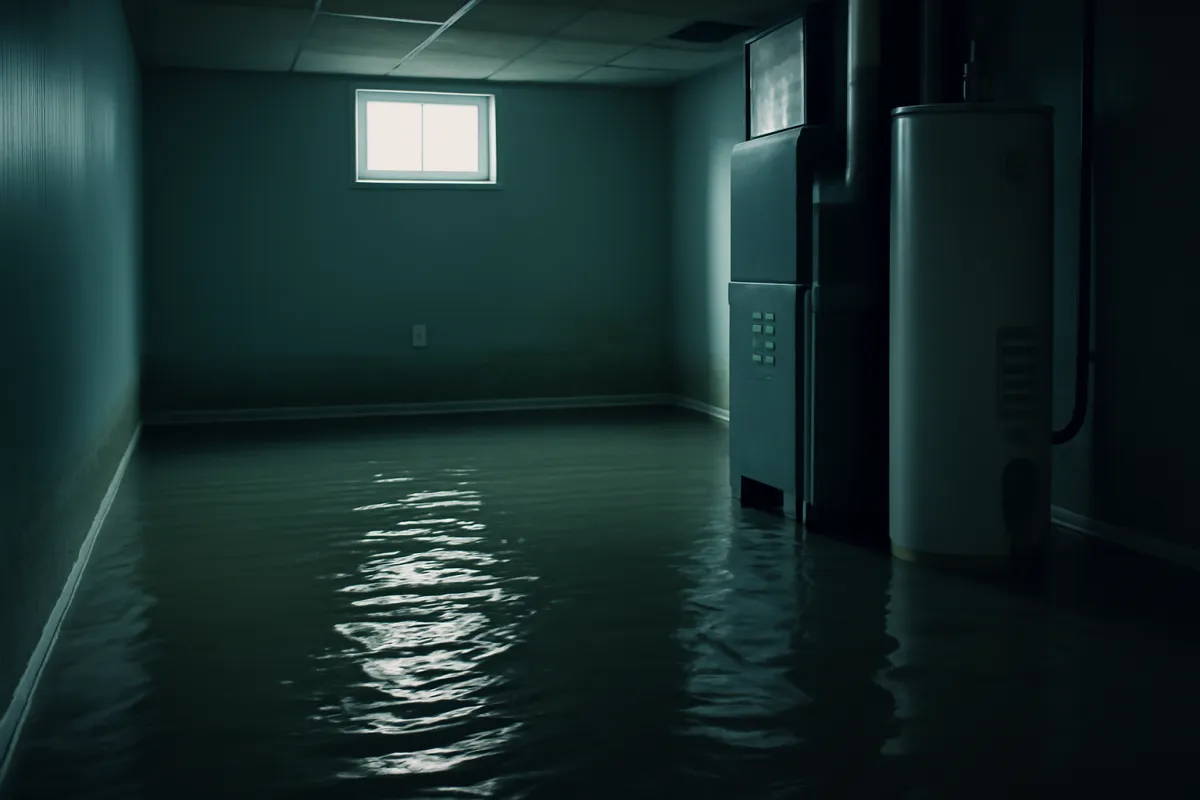
The endorsement is a short amendment that carves an exception into the exclusion. It usually reads as coverage for direct physical loss to covered property caused by water or waterborne material that backs up through sewers or drains, or overflows from a sump, up to a stated limit shown on the declarations page. It is optional, it is separately rated, and it is added at purchase or at renewal rather than after a loss.
Three structural features are worth understanding. First, it has its own limit, not your dwelling limit, and that limit is the entire ceiling for the loss. Second, it often has its own deductible, which may differ from the deductible on the rest of your policy, and some carriers apply a percentage rather than a flat amount. Third, it usually covers both the structure and your belongings within that single shared limit, which means a loss that damages both draws the limit down twice as fast. Some carriers offer separate structure and contents limits, and a few offer higher limits only when you document a backwater valve or a backup power source for the sump. Ask for a quote at more than one limit so you can see the price curve rather than accepting the default. The companion below lets you see what each limit would actually have produced on a loss of your size.
The sub-limit is where people get hurt
If you take one number away from this article, take this one. Your dwelling limit might be several hundred thousand dollars. Your backup sub-limit is frequently in the low five figures. Those two numbers live on the same page and do completely different jobs, and the second one is the only one that matters on a backup claim. Raising your dwelling limit does nothing for it. Raising your contents limit does nothing for it. The sub-limit moves only when you buy a higher sub-limit.
The reason this hurts specifically in basements is that finished lower levels are expensive per square foot to restore and cheap to fill with water. Drywall wicks upward and has to be cut out well above the water line. Carpet and pad in contaminated water are removed rather than cleaned. Baseboard, trim, and often the bottom of door casings go with them. Add sanitizing, dehumidification, disposal fees for contaminated material, and the contents that were stored down there, and a modest-looking depth of water becomes a large number quickly. A homeowner who bought the entry-level sub-limit because it was the cheapest line on the quote can find that it covers the cleanup and stops before the rebuild starts.
What the endorsement typically pays for
Within its limit, the endorsement is genuinely useful, and it is worth knowing what it usually reaches. The cleanup is the first and often largest component: pumping out standing water, removing and disposing of contaminated materials, sanitizing surfaces, and running drying equipment for several days. Because backup water is contaminated, this work is more involved and more expensive than drying a clean-water loss, and it is the part homeowners most often underestimate.
Beyond cleanup, the endorsement commonly reaches damage to the building itself: drywall, insulation, flooring, trim, and any built-in cabinetry the water reached. It commonly reaches your damaged belongings, though contents may settle at depreciated value unless you carry replacement cost, a distinction our note on actual cash value versus replacement cost walks through. Many endorsements also reach additional living expenses if the home is genuinely unfit to occupy, and some reach the failed sump pump itself as equipment rather than just the damage it caused. What is available varies, and the presence of any one of these on a competitor’s form is not evidence it is on yours. Read the endorsement, not the brochure.
What the endorsement will not pay for
Two exclusions inside the exception matter most. The first is the pipe. The endorsement addresses the damage the water did once it was in your house, and it typically does not pay to excavate, repair, or replace the lateral or the drain that failed. That work can be a substantial project on its own, especially where the line runs under a driveway, a patio, or mature landscaping, and it is a separate problem with a separate solution described in the next section.
The second is the equipment and the maintenance behind it, depending on wording. A sump pump that failed from age may not be replaced by the endorsement even where the resulting damage is paid. Root intrusion that built up over years may be treated as a maintenance condition. Ground-water seepage, as discussed above, may sit outside the buy-back entirely. And in every case the sub-limit and the deductible apply, so even a fully covered backup claim is paid partially by design. The endorsement is a real and worthwhile protection, but it is a capped one, and reading it as full coverage is how people arrive at the shortfall in the worked example below.
Service line coverage: the pipe itself is a separate endorsement
The buried lines running from your house to the street, water in, sewer out, and sometimes power and communication, are usually your responsibility to maintain even though they sit under public ground in some jurisdictions. They fail from root intrusion, corrosion, ground movement, freezing, and simple age, none of which is a sudden accidental peril, so a standard policy does not pay for them and neither does the backup endorsement.
A service line endorsement exists for exactly this gap. It typically covers excavation, repair or replacement of the failed line, and restoration of the ground surface, up to a stated limit and subject to its own deductible. It is usually priced modestly, in the same illustrative few-dozen-dollars-a-year range as the backup endorsement, and it pairs with it naturally: the backup endorsement handles what the water did inside, and the service line endorsement handles the pipe that let it happen. Older homes, clay or cast-iron laterals, and mature trees between the house and the street are the strongest cases for carrying both. Our coverage note on plumbing covers the broader pipe-versus-damage split inside the house, which follows the same logic from a different direction.
A worked example: a finished basement against a sub-limit
Take one illustrative household. The Aldridge family has a finished lower level: carpet, drywall, trim, a bathroom, a sofa, a television, and several years of stored belongings on the floor. During a heavy rain, the municipal main surcharges and roughly four inches of contaminated water comes up through the floor drain and the basement toilet overnight. Restoration assesses the total loss at an illustrative $28,000: about $6,000 of emergency cleanup, sanitizing, and drying, about $14,000 of building repairs once the drywall and flooring are cut out and rebuilt, and about $8,000 of damaged belongings.
The Aldridges did buy the water backup endorsement, which is the good news. They bought it at an illustrative $10,000 sub-limit, with an illustrative $1,000 deductible on the endorsement. The arithmetic is short and unforgiving. The endorsement is the ceiling, so the most it can reach on this loss is $10,000. The deductible comes off that, so the check is $10,000 minus $1,000, or $9,000. Their total loss was $28,000, so they absorb $28,000 minus $9,000, or $19,000. Of that $19,000, exactly $1,000 is the deductible they chose, and the remaining $18,000 is simply the part of the loss that sat above the sub-limit, uninsured. Had they bought the illustrative $25,000 sub-limit instead, the check would have been $25,000 minus $1,000, or $24,000, and their share would have dropped from $19,000 to $4,000. The difference between those two outcomes is one line item on a quote.
Where an illustrative $28,000 backup loss actually lands
The same loss split three ways under an illustrative $10,000 endorsement sub-limit with an illustrative $1,000 deductible: what the deductible takes, what the insurer pays, and what sits above the ceiling.
The three slices sum to the full $28,000. The striking part is the proportion: the insured homeowner still absorbs about two thirds of this loss, and almost none of that share is the deductible. Some carriers apply the deductible to the loss before capping at the limit, which would pay the full $10,000 here, so confirm the order of operations with your insurer.
Choosing a sub-limit that matches your basement
The right sub-limit is not a preference, it is an estimate you can actually make. Walk the lowest level of your home and ask what it would cost to restore it from the floor up to roughly two feet, because that is the band a typical backup reaches and the band restoration will cut out. Count the flooring, the drywall and insulation in that band, the trim and door casings, any built-ins, any bathroom fixtures, and any mechanical equipment sitting on the slab. Then add the contents: the furniture, the electronics, the stored boxes, and anything seasonal that lives down there.
That total is the number your sub-limit should be aimed at, not the smallest limit the carrier offers. An unfinished basement used only for storage may genuinely be fine at a modest limit. A fully finished lower level with a bathroom and a media area is the case where the entry-level limit is close to decorative. If the sub-limit you need is not available from your current carrier, that is a legitimate reason to shop the whole policy rather than accept the ceiling, and our note on how to choose home insurance covers comparing forms rather than just prices. Use the companion below to see what each limit would leave you holding on a loss the size you just estimated.
The deductible on a backup claim
The deductible on a backup claim deserves its own attention because it does not always match the rest of your policy. Some carriers apply your standard all-other-perils deductible to the endorsement. Some attach a separate, often smaller, deductible to it. A few apply a percentage of the endorsement limit rather than a flat dollar amount, which behaves differently as you buy more coverage. Our note on what a deductible is covers the mechanics, and our note on choosing your deductible covers the tradeoff, but the specific point here is that you should confirm which deductible applies to a backup loss before you need to know.
The interaction with the sub-limit is the part that trips people. On a large backup loss, the deductible is almost irrelevant, because the sub-limit is doing the real cutting. In the worked example above, the deductible removed $1,000 and the sub-limit removed $18,000. Optimizing the deductible while ignoring the sub-limit is optimizing the small number. That said, on a small backup, an unfinished basement with a few hundred dollars of sanitizing, the deductible can be the whole story and the claim may not be worth filing at all, a calculation our note on how a claim affects your premium works through.
Contamination and why cleanup dominates the bill
Backup water is not the same substance as the water from a burst supply line, and that difference drives cost more than depth does. Water carrying sewage or drain waste is treated as grossly contaminated, which changes the response from dry it out to remove it, dispose of it, and sanitize what remains. Porous materials that absorbed contaminated water, carpet, pad, insulation, and often drywall, are generally removed rather than dried, because they cannot be reliably decontaminated in place.
That is why an inch of backup water can cost more to remediate than several inches of clean water. It is also why professional restoration is the norm rather than a choice: personal protective equipment, containment, antimicrobial treatment, and proper disposal of contaminated material are not a shop-vac job, and doing it badly leaves both a health issue and a mold problem behind. Mold carries its own low sub-limit on most policies, separate from the backup sub-limit, which means a slow or incomplete cleanup can convert one capped loss into two. Getting professional drying and sanitizing started quickly is both the health answer and the coverage answer, and it satisfies the duty to mitigate that every policy imposes.
Can you make the city pay?
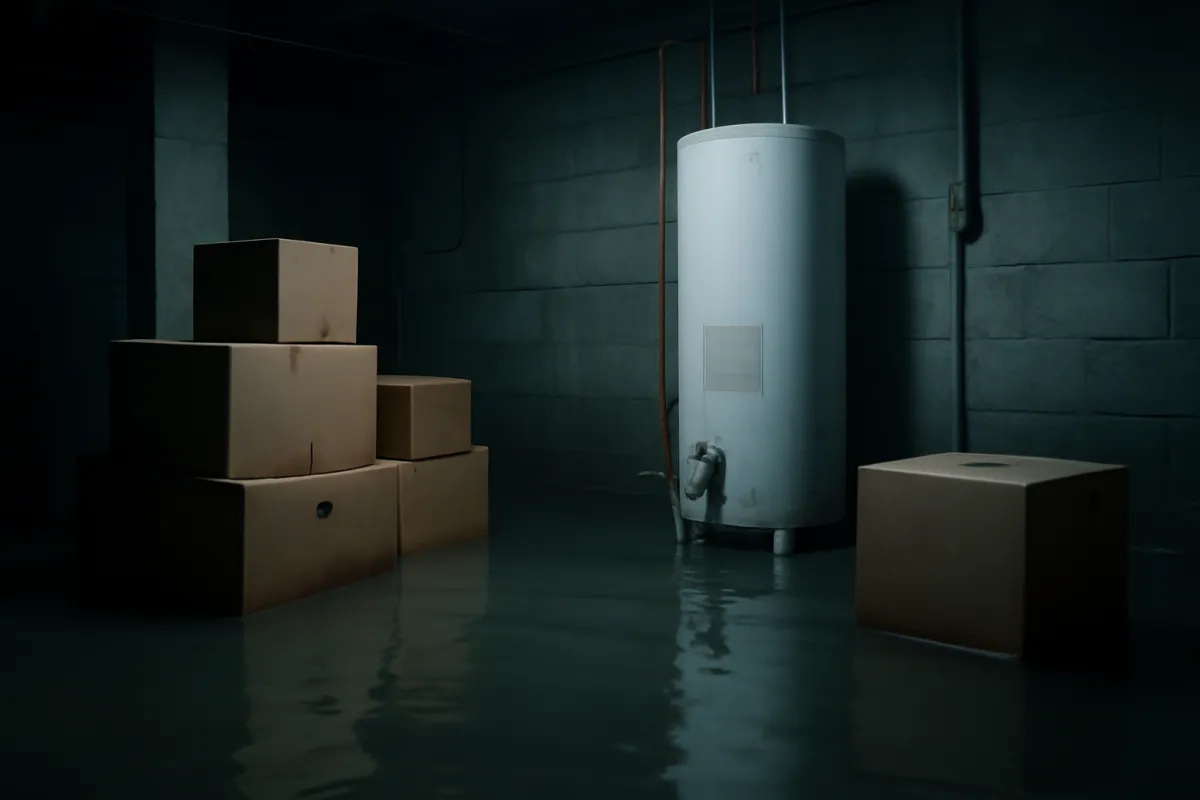
When a municipal main surcharges and backs into a hundred basements, homeowners reasonably ask why this is their problem. The honest answer is that recovering from a municipality is possible but generally difficult, and it varies enormously by jurisdiction. Many public bodies are protected by governmental immunity statutes that require proof of actual negligence rather than proof that the system failed. Showing that a main was overwhelmed by an extraordinary rain event usually is not negligence. Showing that the city knew a specific line was collapsing, had been told repeatedly, and did nothing is a different case.
Two practical points. First, notice periods for claims against a public body are often much shorter than ordinary limitation periods, sometimes measured in months or even weeks, and missing the notice can end the claim regardless of its merits. Find out your jurisdiction’s requirement immediately rather than eventually. Second, even a successful municipal claim typically resolves long after you have paid for restoration yourself, so it functions as a possible reimbursement rather than as coverage. File the notice, photograph everything, keep every invoice, and ask your neighbors whether they are filing too, because a pattern across a street is more persuasive than a single house. Then proceed as though your own policy is the only thing that will pay, because it usually is.
Reading your declarations page for backup coverage
Everything above resolves to one page you already own. Open your declarations page and look for a line under endorsements or optional coverages that mentions water backup, sewer backup, or backup of sewers and drains. If no such line appears, you almost certainly do not have the coverage, regardless of what you remember discussing. If it does appear, read the limit next to it, and read whether a separate deductible is stated.
Then go one level deeper, because the declarations page gives you the number and the endorsement form gives you the scope. Ask your insurer or agent four specific questions: does the wording include sump overflow as well as backup through drains, is ground-water seepage included or excluded, is the limit shared between the structure and contents or split, and what deductible applies. Write the answers down with the date. Our note on reading a declarations page walks the rest of the document, and the whole exercise takes about fifteen minutes once a year at renewal. That is the entire cost of never being surprised by this particular gap.

How to file a sewer backup claim
The first hour is about safety and mitigation, not paperwork. Contaminated water and electricity in the same basement is a genuine hazard, so cut power to the affected area if you can do it safely from a dry position, and stay out of standing water you have not established is safe to enter. Stop the source if you can: stop running water and flushing toilets, since anything you send down the drain is coming back. Then call a restoration company, because starting extraction and drying quickly limits both the damage and the mold that follows.
Documentation comes next and it decides the size of your recovery within the limit. Photograph and video the whole space before anything is removed, including the water line on the walls, the drain or fixture the water came from, and the contents in place. Keep a written log of what was removed and when. Photograph serial numbers and labels on damaged equipment. Save every invoice, including the emergency call. Then notify your insurer promptly and describe the event accurately, naming which of the three scenarios it was: municipal surcharge, lateral blockage, or sump failure. Our note on filing a home insurance claim covers the full process, and our note on appealing a denied claim covers the route if the answer comes back no.
The prevention that actually pays
Because the coverage is capped, prevention carries unusual weight here compared with other perils. Three measures do most of the work, and they are ranked by how much loss they remove rather than by cost.
A backwater valve is the strongest structural answer to a municipal surcharge. It is a one-way device installed in the lateral that closes when flow reverses, physically blocking sewage from re-entering the house. It requires excavation and normally a permit and inspection, so it is a real project rather than a weekend task, and it needs periodic checking to confirm the flap moves freely. A sump backup power source is the answer to the pump failure case: a battery backup unit, or a water-powered backup that runs off municipal water pressure and needs no electricity at all. Both need testing on a schedule, and batteries need replacing on a schedule too. The third measure costs almost nothing: stop storing anything you care about directly on a basement floor. Sealed plastic bins on shelving, with the lowest shelf above the likely water line, removes an entire category of contents loss from any future claim, and it is the one measure available to every household today.
Backwater valves, sump backups, and what they cost
Costs vary enormously by region, by how deep and how accessible the lateral is, and by local permit requirements, so treat these as illustrative shapes rather than quotes. A backwater valve is the expensive one because it involves cutting the slab or excavating outside, and it commonly lands in the low thousands of dollars installed. A battery backup sump system is a much smaller project, often in the mid hundreds of dollars for equipment and installation, with the battery replaced periodically after that. A water-powered backup pump is a comparable order of magnitude where the local water system supports it. Shelving and sealed bins for basement storage is a weekend and a modest materials bill.
Set those against the loss side. In the worked example, the household absorbed an illustrative $19,000 on a single event. A backwater valve at a few thousand dollars pays for itself the first time it prevents that, and the sump backup pays for itself even faster because sump failures are more frequent than municipal surcharges. Some carriers offer a credit or make higher sub-limits available once mitigation is documented, though this varies and is worth asking about before you install rather than after. Keep the permit, the inspection record, and the invoice with your home inventory, and our note on building a home inventory covers how to store that documentation so it survives the event it exists for.
Renters and condo owners have their own version of this gap
If you rent, the building’s plumbing is not your problem but your belongings are. A renters policy is subject to the same backup exclusion, and renters endorsements for water backup do exist, usually at modest limits. Anyone renting a basement or garden-level unit should ask about it specifically, because that is exactly the unit that fills first. Our note on renters insurance covers what the base policy does and does not reach.
If you own a condo or a townhouse, the split is more intricate. The association’s master policy typically covers the building structure to a defined point, and your unit policy covers what is inside that point plus your belongings, plus loss assessment if the association charges owners for a shared shortfall. A backup that originates in a shared line and damages several units can produce claims on both policies at once, and it can produce an assessment on top. Our note on condo insurance walks the master-policy boundary, and the specific question to ask is whether your unit policy carries a water backup endorsement and whether your loss assessment coverage would respond to a backup-related assessment.
What backup coverage costs against what it saves
Put the two sides of the trade next to each other one last time, because the asymmetry is what makes this article worth writing. The endorsement is typically one of the least expensive lines on a homeowners policy, commonly discussed in an illustrative range of a few dozen dollars a year at a modest limit, rising as the limit rises. Moving from an entry-level sub-limit to a substantially higher one usually costs a fraction of what most homeowners spend on things they think about far more.
The loss side is not symmetric with that. A finished lower level can produce an illustrative five-figure loss from a single night of contaminated water, and without the endorsement none of it is insured. With a small endorsement, as the worked example showed, roughly a third of it is insured. With a properly sized one, most of it is. The decision is not really whether to buy backup coverage, since almost everyone should. The decision is which sub-limit, and that decision is made by estimating your own basement rather than by accepting a default. Run your own figures in the companion below before your next renewal, and take the number into the conversation with your insurer.
The bottom line
Does home insurance cover sewer backup? Not on the standard policy, and not on a flood policy either, which is why this specific loss falls through a gap that two reasonable beliefs about your coverage leave open. Water backing up through a drain, a lateral, or a sump is excluded by design, and the only reliable fix is a water backup endorsement added before anything happens. Buy it, then pay attention to the number next to it, because the sub-limit and not the dwelling limit is what pays a backup claim, and a finished basement clears a small sub-limit easily. Add a service line endorsement if the buried pipe is your exposure too, and read the wording for sump overflow and ground-water seepage rather than assuming. Then do the prevention that the cap makes unusually valuable: a backwater valve where a municipal surcharge is the risk, a battery or water-powered backup where the sump is the risk, and nothing you care about sitting on the basement floor in either case. Open your declarations page this week, find the endorsement line or confirm its absence, and use the companion below to see what your current limit would actually leave you holding.
This coverage note explains how homeowners policies commonly treat sewer and drain backup in general terms, for education only. It is not insurance, legal, or financial advice, it is not an offer of coverage, and it does not describe the policy you hold. Whether any backup endorsement is available to you, what it includes, what sub-limit and deductible attach to it, whether sump overflow and ground-water seepage are inside or outside its wording, and what recourse you may have against a municipality all vary by carrier, by policy form, and by jurisdiction, and several of them vary from one renewal to the next. The $28,000 loss, the $10,000 and $25,000 sub-limits, the $1,000 deductible, the endorsement prices, the mitigation costs, and every chart value above are illustrative figures constructed to demonstrate the arithmetic of a capped coverage, not quotes, estimates, or predictions of any payout. Before acting on anything here, read your own declarations page and endorsement forms, and confirm the specifics with a licensed insurance professional and, where a claim against a public body is in question, a qualified attorney in your jurisdiction.
Frequently asked questions
Does home insurance cover sewer backup?
Usually not on the base policy. Water that backs up through a drain, a sewer line, or a sump pit is one of the named exclusions on most standard homeowners forms, which is surprising to people who know that a burst supply pipe inside the same house is commonly covered. The fix is a water backup endorsement, an optional add-on that buys back the exclusion up to a stated limit. Availability, the exact wording, and the limits offered vary by carrier and by state, so the only reliable answer is the one printed on your own declarations page. Every dollar figure in this coverage note is illustrative and chosen to show the shape of the math, not to quote your policy.
How much does a sewer backup endorsement cost?
It is typically one of the cheaper endorsements on a homeowners policy, often quoted as an illustrative few dozen dollars a year for a modest limit, with the price rising as you buy a larger limit. Pricing depends on your carrier, your location, the age of the municipal system around you, whether you have a finished basement, and whether you have a backwater valve or a sump with a backup power source. Because the cost is small relative to what a finished lower level costs to rebuild, the endorsement is one of the most frequently recommended add-ons in homeowners insurance. It is also one of the most frequently skipped, usually discovered missing on the day it was needed. Ask your insurer to quote several limits side by side rather than accepting the smallest one offered.
What is a typical sewer backup coverage limit?
Backup endorsements almost always carry their own sub-limit, a ceiling that sits far below your dwelling limit and applies only to backup losses. Illustrative sub-limits commonly discussed run from about $5,000 at the entry level to $10,000 or $25,000 in the middle, with higher tiers available from some carriers. That ceiling is where homeowners get hurt, because a finished basement soaked with contaminated water can exceed a small sub-limit easily once cleanup, sanitizing, drywall, flooring, and ruined belongings are added together. The sub-limit is a separate number from your Coverage A dwelling limit and from your contents limit, and buying more dwelling coverage does not raise it. Check the endorsement line on your declarations page for the specific figure that applies to you.
Does flood insurance cover sewer backup?
Generally not, and this is the trap that leaves the loss uninsured from both directions. A separate flood policy responds to flood as flood is defined, meaning water that rises and covers normally dry land from outside the home, and a backup that originates inside the drainage system is not that event. Some flood policies do respond when a backup is directly caused by flooding on the property rather than by a blockage or a mechanical failure, but that is a narrow carve-in rather than general backup coverage. The practical result is that a homeowner can hold both a standard policy and a flood policy and still have nothing that pays for the water in the basement. The only reliable coverage for the ordinary backup is the water backup endorsement on the homeowners side.
Is sump pump failure covered by homeowners insurance?
Not on the base policy, and often only partly under the endorsement, which is why this one deserves its own question. When a sump pump stops, whether because the motor failed, the float switch stuck, or the power went out in the storm that was filling the pit, the resulting overflow is treated as a backup or overflow event and falls under the same exclusion. Many water backup endorsements are written to include sump overflow, and some also cover the failed pump itself, but plenty cover only the resulting damage and leave the equipment to you. Because the most common cause is a power cut during the exact storm that overwhelms the pit, a battery or water-powered backup pump is the practical companion to the endorsement. Confirm with your insurer whether your endorsement wording names sump overflow explicitly.
Will the city pay for a sewer backup?
Sometimes, but far less often than homeowners expect, and it is not a plan you should rely on. Municipalities are frequently protected by governmental immunity statutes that require you to prove actual negligence, such as a documented failure to maintain or repair a main the city knew was failing, rather than simply showing that the main backed up. Notice periods for claims against a public body can also be very short, and they vary by jurisdiction. Even a successful claim usually arrives long after you have paid for the cleanup yourself. File the notice if you have grounds and keep your documentation, but treat any recovery as a possible refund rather than as your coverage.
Does the endorsement cover replacing my sewer line?
Usually no. The water backup endorsement is aimed at the damage the backed-up water does inside your home, meaning the cleanup, the sanitizing, the damaged building materials, and the ruined belongings, and it typically stops short of paying to excavate and repair the buried lateral that caused the problem. That pipe is a separate exposure covered, if at all, by a service line endorsement, which is its own optional add-on with its own limit and its own deductible. Homes with mature trees between the house and the street, or with older clay or cast-iron laterals, carry the most exposure to root intrusion and collapse. Carrying both endorsements together closes the gap from both sides. Ask your insurer to price them as a pair.
Does a backwater valve lower my insurance cost?
It can, and some carriers offer a credit or make a higher backup sub-limit available once a valve is installed and documented, but the practice varies widely and no discount is guaranteed. The stronger argument for a backwater valve is not the premium: it is that a valve is a mechanical device designed to stop sewage from re-entering your home through the lateral in the first place, which prevents the loss that a sub-limit would only partly pay for. Installation involves excavation and a permit in most places, so it is a real project rather than a weekend fix, and it needs periodic inspection to keep working. Ask your insurer before you install whether documentation of the valve changes your rate or your available limits. Then keep the permit and the invoice with your inventory records.

Hamza Hai is the editor of SumSured. She holds an MBA and reviews the site's articles against our editorial standards, checking that every figure is labelled for what it is, that nothing is presented as verified fact without a source the reader can check, and that the writing stays useful to a non-specialist.