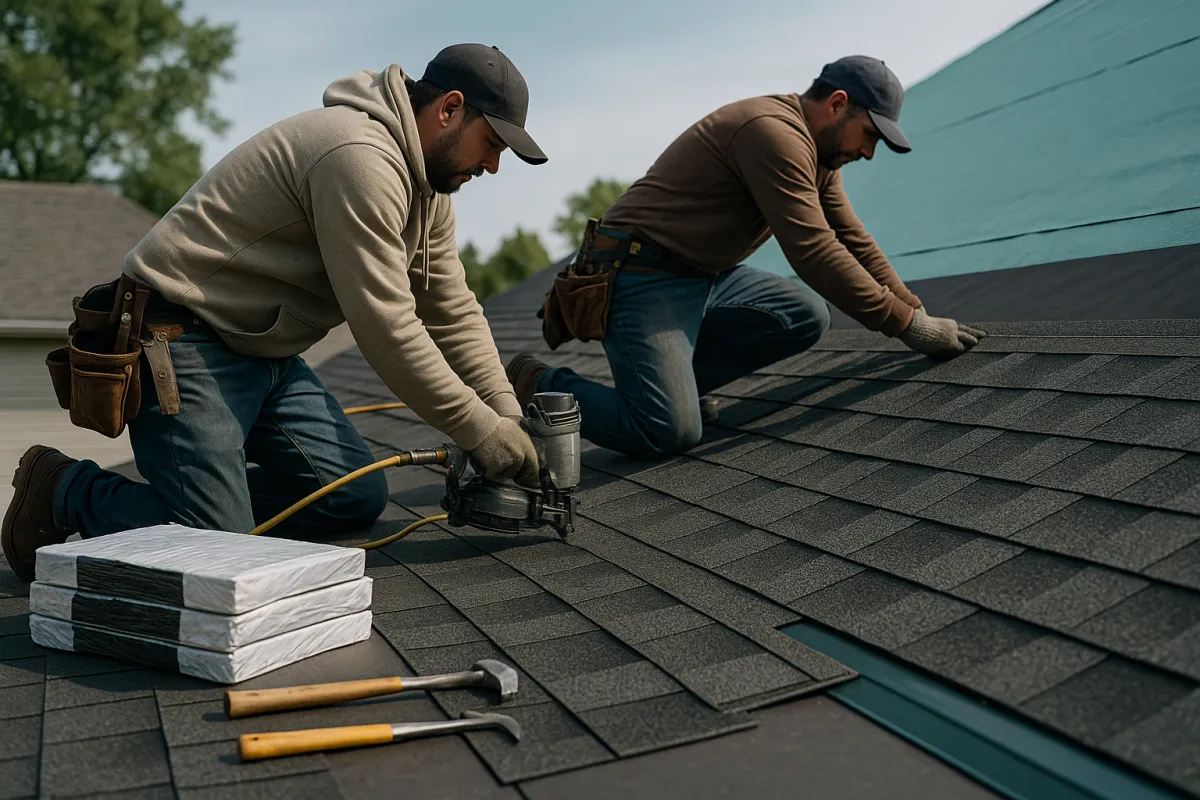
What's in this note
- The short answer: does home insurance cover roof replacement?
- When home insurance does cover roof replacement
- Sudden peril versus wear and tear: the line that decides your roof
- Storm, wind, and hail: the classic covered roof perils
- A fallen tree or other object through the roof
- Fire, lightning, and the other covered perils
- The roof damage a standard policy does not cover
- Roof damage by cause: covered or not
- Replacement cost versus actual cash value: how your roof gets paid
- How roof age changes your payout and your policy
- Does homeowners insurance cover a roof over 20 years old?
- Roof-payment schedules and the actual cash value trap
- The deductible on a roof claim, including wind and hail percentages
- How a roof insurance claim works, step by step
- Why insurers deny roof claims
- How to document your roof so a claim gets paid
- Matching, partial roofs, and the repair-versus-replace fight
- A worked example: one hail-damaged roof, two settlements
- How to keep a roof claim from being denied
- The bottom line
Short answer: Sometimes, and the cause decides it. A roof damaged suddenly by a covered peril such as a windstorm, hail, a fallen tree, or fire is commonly covered, minus your deductible, while a roof that aged, wore out, or failed from neglect is not. Even a covered loss on an older roof may be paid at depreciated actual cash value rather than full replacement cost, and a wind and hail percentage deductible can be far larger.
Does home insurance cover roof replacement? Sometimes, and the deciding factor is almost never how old or ugly the roof looks. It is what caused the damage. A standard homeowners policy is built to pay for a roof wrecked suddenly by a covered peril, a windstorm, hail, a fallen tree, a fire, and it is built to refuse a roof that simply aged, wore out, or failed from neglect. The same worn-looking roof can be a paid claim or a denied one depending entirely on whether the damage traces to a sudden event or to time.
That single distinction, sudden covered peril versus wear and age, is the spine of this whole subject, and it causes more denied roof claims than any other line in a homeowners policy. This coverage note walks each cause of roof damage in turn: the storms, hail, and fallen trees that are commonly covered, the aging and neglect that are not, and the gray areas in between. It then works through the part that surprises homeowners most, how an older but genuinely storm-damaged roof still gets paid far less because of depreciation, and how replacement cost and actual cash value settle a roof so differently. It links our sibling notes as it goes: our coverage note on actual cash value versus replacement cost for the depreciation math, our coverage note on what a policy actually covers for the full picture, our note on documenting storm damage for the evidence that gets a roof paid, and our deductible note for what comes off every claim. You can pressure-test your own roof numbers with the companion below as you read.
Key takeaways
- Home insurance turns on the cause of the roof damage: a sudden covered peril like storm, hail, wind, or a fallen tree is commonly covered, while age, wear, and neglect are not.
- Even a covered roof loss may be paid at depreciated actual cash value rather than full replacement cost if the roof is old, which can turn a full roof replacement into a fraction of a check.
- Roof age is one of the factors insurers weigh most: it can move your settlement basis, your premium, and whether a policy is offered at all.
- Every covered roof claim still has the deductible taken off the top, and in storm regions a separate wind and hail percentage deductible can be far larger than your standard one.
- Most roof denials come down to damage read as age or wear rather than a sudden event, which is why dated photos and a roofer's report matter so much.
The short answer: does home insurance cover roof replacement?
Here is the whole subject in one paragraph before we take it apart. A standard homeowners policy is written to pay for sudden, accidental, unexpected damage, so when a covered peril abruptly damages your roof, a windstorm strips the shingles, hail bruises and cracks them, a tree falls through the deck, a fire burns it, the cost to repair or replace the roof is commonly covered, minus your deductible. When the roof reaches the end of its life a different way, by slowly aging, curling, and losing granules over fifteen or twenty years until it leaks, the standard policy generally does not pay, because a worn-out roof is treated as expected maintenance, not an insurable accident. Coverage is not about how bad the roof looks. It is about what caused the damage and whether it happened suddenly.
Hold that frame as you read, because every section below is a variation on it. The covered cases share a signature: abrupt, accidental, traceable to a specific storm or event. The denied cases share the opposite one: slow, foreseeable, the natural end of a material that was always going to wear out. Our broader coverage note on what home insurance covers sets the roof inside your dwelling coverage, but for the roof specifically, the cause is the entire game. Every dollar figure in this note is illustrative, chosen to show the shape of a payout rather than to quote your policy.
When home insurance does cover roof replacement
The covered category is more generous than many homeowners expect, as long as the damage originated with a sudden covered peril. Commonly covered causes include wind that tears off or lifts shingles, hail that bruises and fractures the roofing surface, a tree or large branch that falls onto the roof, a fire or a lightning strike, the weight of ice or snow that collapses part of the structure, and vandalism. In each case the damage came from an abrupt external event rather than from the roof simply aging, which is the trigger the policy is written for. When one of these perils damages the roof, the policy commonly pays to repair or replace the damaged roofing, and it also typically pays for resulting interior damage, the water-stained ceilings and ruined belongings, that the breach let in. When the damage is localized and the question is a leak repair rather than a new roof, our coverage note on a leaking roof walks that smaller claim end to end.
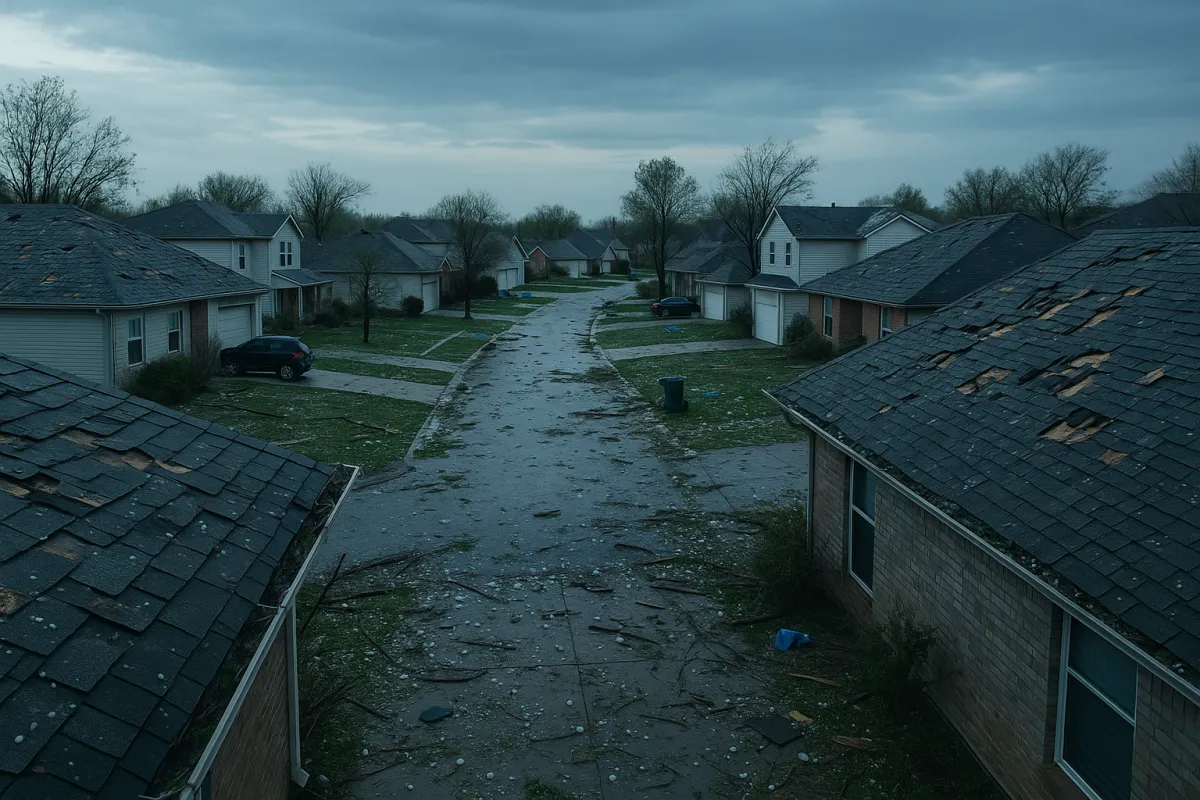
What the policy pays, though, is where the surprises begin, because covered does not always mean a full new roof. The amount depends on your settlement basis and the roof’s age, which the middle of this note takes apart in detail. A covered peril establishes that the claim is valid, but whether you receive the full replacement cost or a depreciated actual cash value figure is a separate question that can change the check by thousands. For now, hold the first point: a sudden covered peril is what puts your roof on the payable side of the line.
Sudden peril versus wear and tear: the line that decides your roof
Insurers use two ideas over and over in roof claims, and understanding them explains most outcomes: a covered peril is sudden and accidental, while wear and tear is gradual and expected. Sudden damage happens in a moment you can point to, a storm on a specific date, a tree that fell in a specific gale. That is the event a homeowners policy is designed to absorb. Its opposite is deterioration that builds over years: shingles that curl, crack, and shed their protective granules as ultraviolet light and weather slowly break them down. That decline is not an accident. It is the known, expected end of a material with a finite life, and maintaining or replacing it before it fails is treated as the homeowner’s job.
This is why two homes with roofs that look equally rough get opposite answers. The house whose shingles were torn off by last week’s windstorm has a sudden accidental loss and a strong claim. The house whose shingles simply wore out and began leaking after eighteen years has a gradual loss and a probable denial, because the insurer reasons that an aging roof was always going to reach this point. The adjuster’s first questions, when did this start and what caused it, are aimed squarely at placing your loss on one side of this line. Everything that follows in this note is really about which side a given cause of roof damage tends to land on, and how to keep a genuine storm loss from being mistaken for age.
Storm, wind, and hail: the classic covered roof perils
Wind and hail are the perils a roof most often faces and the ones a standard policy most reliably covers. Wind damage includes shingles lifted, creased, or torn off entirely, flashing peeled back, and debris driven into the roofing surface, all of which a standard policy commonly pays when they result from a windstorm. Hail damage is subtler and more disputed: hailstones bruise the shingle, fracture the mat beneath, and knock loose the granules that shield the asphalt from the sun, which shortens the roof’s life even when it does not immediately leak. Functional hail damage that compromises the roof is commonly covered, and it is often the reason an entire slope or roof qualifies for replacement rather than a spot repair.
The recurring fight over hail is whether the damage is functional or merely cosmetic. Some policies exclude cosmetic damage, dents and marks that do not affect how the roof sheds water, and adjusters may argue that granule loss is normal aging rather than storm damage. This is exactly where dated storm records and a qualified roofer’s inspection matter, because a bruise that will fail early looks different to an expert than to a homeowner. Our note on documenting storm damage walks the evidence that separates a real hail loss from ordinary wear, and the companion below shows how a covered storm loss settles once the cause is accepted. Windstorm and hail are also the perils most likely to carry a separate percentage deductible, which a later section covers.
A fallen tree or other object through the roof
A tree or large branch that falls onto the roof is one of the most clearly covered roof losses, and it is a frequent one, because a tree through the roof is often how a storm gets rain into the house. When wind, the weight of ice or snow, or lightning brings a tree down onto your roof, a standard policy commonly pays to repair the structural damage to the roof and the resulting interior water damage, minus your deductible. The same applies to other falling objects, from a neighbor’s detached structure to debris hurled by a storm. The peril is sudden and external, which is the covered signature.
Coverage narrows around the tree itself rather than the roof. Removing a fallen tree is typically covered only when it strikes an insured structure such as your roof, or blocks a driveway or a ramp, and often under a modest sub-limit such as an illustrative few hundred to a thousand dollars per tree. A tree that falls in the yard and hits nothing is generally not covered, and a tree that comes down because it was dead or rotted, which the insurer views as a maintenance issue you should have addressed, can be denied even when it does hit the roof. Whose policy responds when a neighbor’s tree lands on your roof is usually still your own, so document the damage and file promptly. Our coverage note on water damage covers the interior water side of a tree-through-the-roof loss in more detail.
Fire, lightning, and the other covered perils
Fire and lightning are among the most fundamental covered perils on any homeowners policy, and they extend to the roof like any other part of the structure. A fire that damages or destroys the roof, whether it starts inside the home, in an attached structure, or as a wildfire that reaches the house, is commonly covered, and so is a lightning strike that damages the roof directly or starts a fire. Because fire losses are often total or near-total for the affected area, the roof is usually replaced as part of rebuilding rather than spot-repaired, and the claim tends to turn on your dwelling limit being high enough rather than on whether the roof is covered.
Other covered perils reach the roof as well: the weight of ice, snow, or sleet that causes part of the roof or structure to collapse is commonly covered, as is vandalism, and in some cases the sudden and accidental damage from a covered event that would not obviously involve the roof at all. The unifying thread across every covered peril is the same: the damage came from a sudden, external, accidental event rather than from the slow decline of an aging roof. Once a covered peril is established, the conversation shifts from whether the roof is covered to how much the policy will pay, which is where age and settlement basis take over.
The roof damage a standard policy does not cover
The excluded category is where the painful surprises live, and it is dominated by a single idea: a roof that failed because it got old is not an insurable loss. A standard policy generally will not pay for a roof that wore out over its natural life, shingles that curled, cracked, blistered, or lost their granules through years of sun and weather, or a roof that leaked because it was never maintained or repaired. It also generally excludes damage from repeated seepage over time, damage that existed before the policy began, wear on flashing and seals that were left to deteriorate, and in many cases damage tied to poor original installation or a manufacturing defect. The connecting logic is consistent: these are foreseeable, gradual, or preventable conditions the policy expects you to manage, not sudden accidents it exists to absorb.
The dangerous exclusions are the ones homeowners assume are covered until the claim is denied. Someone whose roof finally leaks after two decades often assumes the policy will replace it, and is stunned to learn that reaching the end of a roof’s useful life is the clearest maintenance issue on the form. Another files after a storm, only to have the adjuster attribute the damage to preexisting wear that predates the weather. Knowing this list in advance is the difference between budgeting for a roof replacement you will fund yourself and discovering the gap at the worst possible moment. When a roof is nearing the end of its life, replacing it on your own schedule is usually cheaper and less stressful than hoping a storm claim will cover what age already used up.
Roof damage by cause: covered or not
The table below summarizes how a standard homeowners policy tends to treat each common cause of roof damage. It is an illustrative guide, not a coverage promise, because the exact answer always depends on your policy language, your endorsements, your roof’s age and condition, and the facts an adjuster establishes. Use it as a map of where the sudden-versus-gradual line falls, then confirm the specifics against your own policy.
| Cause of roof damage | Typically covered? | Why |
|---|---|---|
| Wind tearing off or lifting shingles | Usually yes | Sudden accidental damage from a covered windstorm |
| Hail that fractures shingles or strips granules | Usually yes | Functional storm damage from a sudden covered peril |
| Tree or branch falling onto the roof | Usually yes | Sudden external event striking an insured structure |
| Fire or lightning damaging the roof | Usually yes | Fundamental covered perils on a standard policy |
| Weight of ice or snow causing collapse | Usually yes | Sudden covered peril, though wear is scrutinized |
| Vandalism to the roof | Usually yes | Named covered peril on most standard forms |
| Cosmetic hail marks with no functional damage | Often no | Some policies exclude purely cosmetic damage |
| Gradual wear, curling, and granule loss from age | No | Expected end of the roof’s life, a maintenance issue |
| A roof that leaked from deferred maintenance | No | Neglect is the homeowner’s responsibility |
| Manufacturer or installation defect | Usually no | A product or workmanship issue, not a sudden peril |
| Flood or rising water reaching the structure | No | Flood is excluded and needs a separate flood policy |
Illustrative likelihood of coverage by roof damage cause
A rough, illustrative sense of how a standard homeowners policy tends to treat each cause of roof damage. Actual outcomes depend on your policy language, your roof's age and condition, and the facts of the loss.
Bars are scaled to the ~93% top figure. The pattern is the whole lesson: sudden covered perils cluster near the top, while cosmetic-only, wear, and neglect sink toward the bottom, because the policy pays for accidents, not for the expected end of a roof's life.
Replacement cost versus actual cash value: how your roof gets paid
Once a covered peril is established, the single biggest variable in a roof claim is your settlement basis, and it is where an otherwise valid claim can shrink from a new roof to a token check. Replacement cost value, or RCV, pays what it costs to install a new roof of like kind and quality at today’s prices, minus your deductible, without deducting anything for the roof’s age. Actual cash value, or ACV, pays that same replacement cost minus depreciation for how much of the roof’s life has already been used, so an older roof settles for far less. The peril decides whether the claim is valid. The basis decides how much of a valid claim you actually receive.
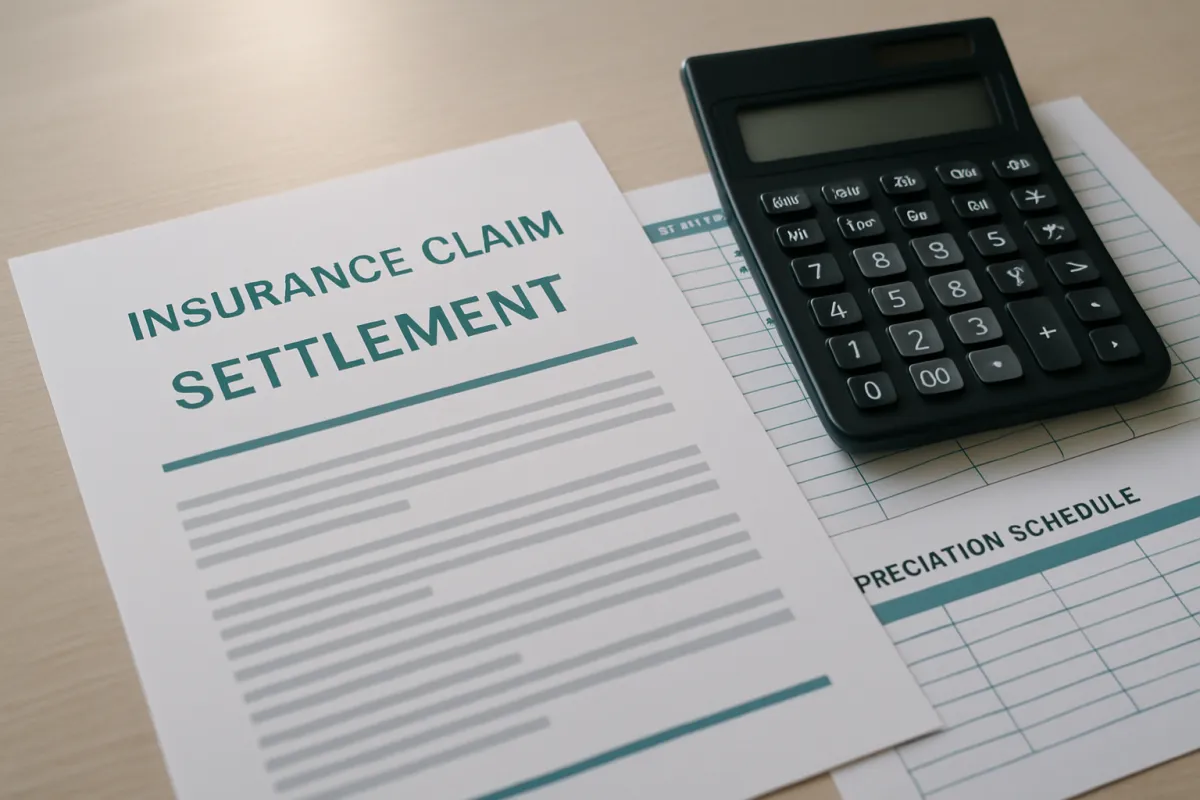
The gap between the two is not small. Consider an illustrative $14,000 roof that is twelve years into a twenty-year expected life. Under RCV, the policy works toward the full $14,000 to put a new roof on, because age is not deducted. Under ACV, roughly sixty percent of the roof’s life is treated as used up, so the settlement might be around $5,600 before the deductible, and the rest is simply gone. RCV policies commonly pay in two steps, an initial ACV check followed by the withheld depreciation once you complete the replacement and file proof, a mechanic our coverage note on actual cash value versus replacement cost walks in full. Which basis your roof carries is the number to confirm on your declarations page today, and the companion below lets you see both settlements on your own roof.
How roof age changes your payout and your policy
Roof age matters twice, and homeowners usually only think about the first way. The obvious effect is on the payout: on an ACV basis, every year of age deducts more depreciation, so the older the roof, the smaller the check, until a roof near the end of its life settles for very little even after a real storm. A roof at fifteen of twenty expected years has consumed seventy-five percent of its life on a straight-line schedule, which leaves an ACV settlement at roughly a quarter of the replacement cost before the deductible even applies. This is why an old roof and a new roof damaged by the identical storm can produce wildly different checks.
The less obvious effect is on the policy itself. Insurers treat the roof as the part of the home most exposed to weather and most likely to drive a claim, so as it ages they may raise your premium, switch it from replacement cost to actual cash value coverage, require an inspection at renewal, or decline to write or renew the policy once the roof passes a certain age, commonly cited around twenty years for older shingle roofs. A newer roof can do the reverse, earning a lower premium and keeping full replacement cost terms. That is why replacing an aging roof before it fails often improves your coverage and price, not just your protection from leaks. Ask your insurer directly how your roof’s age affects your settlement basis and your renewal, since the thresholds vary widely.
Does homeowners insurance cover a roof over 20 years old?
This question comes up so often it deserves its own answer, because a twenty-year-old roof sits right at the edge of how insurers think. The short version: an old roof can still be covered for sudden damage from a covered peril, but the terms tighten and the payout usually shrinks. A genuine storm that damages a twenty-year-old roof can still be a valid claim, yet most insurers will settle it at actual cash value, meaning the depreciated worth of a roof near the end of its life, which can be a small fraction of what a new roof costs. The claim is real, but the recovery may not come close to a full replacement.
Beyond the payout, an older roof changes what coverage you can get at all. Some insurers will not offer replacement cost coverage on a roof past a set age, some require a roof inspection or a certification before they will write or renew, and some decline older shingle roofs outright until they are replaced. If your roof is at or past twenty years, the practical move is to confirm three things with your insurer: whether it settles at replacement cost or actual cash value, whether any age condition or inspection applies at renewal, and what replacing the roof would do to your terms and premium. An old roof is not automatically uninsurable, but it is where the fine print starts to bite, so read it before a storm does.
Roof-payment schedules and the actual cash value trap
Some insurers go a step further than a general ACV clause and attach a specific roof-payment schedule, sometimes called a roof surfacing endorsement, that spells out exactly how much they will pay based on the roof’s age and material. Under such a schedule, a roof might be paid at full replacement cost for its first few years, then at a declining percentage each year after, so that by the time it is fifteen or twenty years old the policy pays only a fraction of the replacement cost even for a covered storm loss. These endorsements are increasingly common in hail-prone and storm-exposed regions, precisely because roofs there generate so many claims, and they can quietly convert what feels like full coverage into steep depreciation.
The trap is that many homeowners never realize the schedule is on their policy until they file a claim and see the reduced offer. The endorsement is a line on the declarations page or in the policy form, not something that surfaces in normal use, and the premium savings it brings can make a policy look attractive without the buyer understanding the tradeoff. If you live where storms are frequent, ask specifically whether your roof settles at full replacement cost or under an age-based schedule, and whether paying more for full replacement cost coverage is worth it for your roof’s age. The companion below shows how much depreciation changes the check, which is the same effect these schedules formalize. Confirm the exact terms with your insurer, because the wording varies from one carrier to the next.
The deductible on a roof claim, including wind and hail percentages
Even a fully covered roof loss does not pay from the first dollar, because the deductible sits between you and every claim. On a covered $14,000 roof loss with a $1,000 deductible under replacement cost coverage, the policy works toward $13,000 and you absorb the first $1,000. The deductible applies per claim, so a second covered loss later carries its own. Choosing the level is a genuine trade-off: a higher deductible lowers your premium but raises what you pay out of pocket when a loss occurs, which is exactly the math our deductible note runs in full.
Roofs add a wrinkle that catches many homeowners: the separate wind and hail deductible. In storm-prone regions, many policies apply a percentage-based deductible to wind and hail losses rather than a flat dollar amount, and it is often much larger than your standard deductible. On an illustrative home insured for $300,000 of dwelling coverage, a 2 percent wind and hail deductible is $6,000, which you absorb before the policy pays anything toward a storm-damaged roof. Because roof claims are so often wind or hail losses, this is the deductible that usually applies when your roof is damaged, and it can turn a moderate loss into one you effectively self-fund. Check your declarations page for a separate wind, hail, or hurricane deductible and calculate the real dollar figure now, not after a storm.
How a roof insurance claim works, step by step
Filing a roof claim well is mostly about order and evidence. The steps, in sequence: first, make temporary repairs to prevent further damage, tarping a breach or stopping an active leak, because you have a duty to mitigate and unchecked water keeps causing loss the insurer may not pay for. Keep receipts for the emergency work, which is often reimbursable. Second, document the damage thoroughly before any permanent repair, photographing the roof, the interior damage, and the date, ideally alongside records of the storm that caused it. Third, get a qualified roofer’s written inspection and estimate, since a professional can identify functional storm damage an untrained eye misses and put a defensible number on the repair.
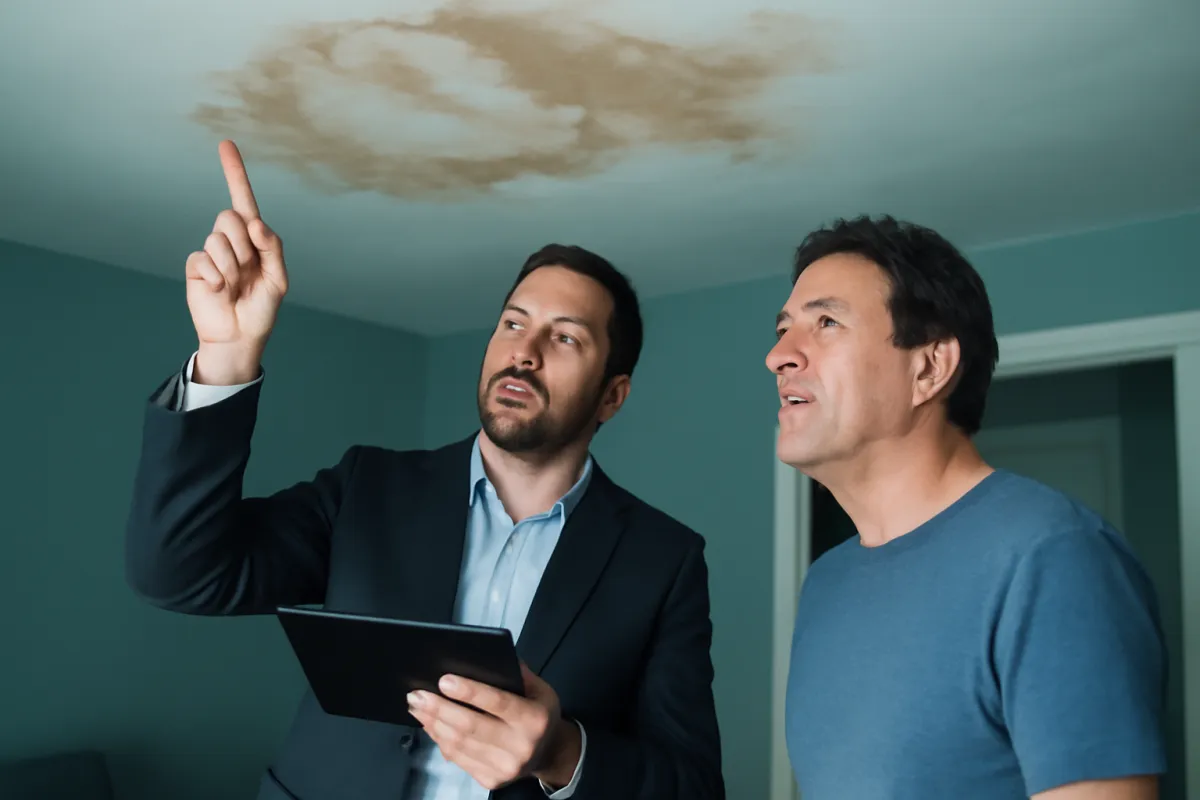
Fourth, notify your insurer promptly and cooperate with the adjuster’s inspection, but do not begin permanent replacement before the inspection unless it is a genuine emergency. Fifth, compare the adjuster’s scope and estimate against your roofer’s, and if there is a meaningful gap, that documented difference is the basis for a supplement or a dispute. Our note on filing a home insurance claim walks the general claim process in full, and if the offer comes up short or the claim is denied, our note on appealing a denied claim covers the escalation path. The companion below gives you the likely payout under each settlement basis before you ever call, so you walk in knowing the shape of the outcome.
Why insurers deny roof claims
Roof claims are denied more often than most, and the reasons cluster into a few predictable findings. The most common is that the adjuster attributes the damage to age, wear, or deferred maintenance rather than a sudden covered peril, dating curling shingles, granule loss, or old flashing to years of decline rather than to the storm you are claiming. The second is a cosmetic-damage finding, where the adjuster agrees hail struck the roof but decides the marks do not affect how it sheds water, and your policy excludes cosmetic damage. The third is an exclusion or limitation: preexisting damage, a manufacturing or installation defect, a wind and hail limitation, or a roof already past the age the policy will cover at replacement cost.
Each of these is answerable, but only with evidence. A denial is not always the final word, and the strongest response is documentation the insurer cannot easily dismiss: dated photos from before and after the storm, records of the storm’s date and severity, and an independent inspection from a qualified roofer or, in a large dispute, an engineer. You can request the full basis for the denial in writing, which forces the insurer to name the specific policy language it is relying on, and then answer that exact point. Our note on appealing a denied claim walks that process in detail. The recurring lesson is that a well-documented sudden loss is much harder to recharacterize as age, which is why the documentation habits in the next section matter so much.
How to document your roof so a claim gets paid
The single best defense against a roof denial is a paper trail that establishes the roof’s condition before the loss and the suddenness of the damage after it. Start before anything happens: keep dated photos of your roof in good condition, ideally taken periodically or after any professional inspection, plus records of when the roof was installed and any maintenance or repairs. That baseline is what lets you show a genuinely storm-driven loss was sudden rather than the slow arrival of wear the insurer would otherwise assume. A roof with no history is easy to attribute to age; a roof with a documented recent good condition is not.
After a storm, document immediately and specifically. Photograph and film the damage from multiple angles, capture the interior effects such as water stains, and note the date and the storm that caused it, since a claim that traces to a specific dated weather event reads as sudden. Get a qualified roofer to inspect and put the functional damage in writing, because an expert can identify bruising and mat fractures that a homeowner and even a hurried adjuster might miss. Keep every estimate, letter, and communication organized in one file. Our note on documenting storm damage walks the full evidence routine, and a home inventory helps prove the value of any interior property the roof breach damaged. Good records turn a borderline roof claim into a payable one.
Matching, partial roofs, and the repair-versus-replace fight
One of the most contested points in roof claims is whether the insurer must replace the whole roof or only the damaged section. The default is that insurers pay to repair the damaged area rather than replace an undamaged roof, which is reasonable when a repair restores the roof cleanly. The fight begins when a repair would leave an obvious mismatch: if hail damaged one slope and the original shingles are discontinued or so weathered that new shingles will never match, a spot repair leaves a patchwork roof. Whether the insurer then owes a fuller replacement so the roof matches depends on your policy’s matching language and your state’s rules, and it is genuinely unsettled from one policy and jurisdiction to the next.
The repair-versus-replace tension sharpens on older roofs. An insurer may argue that a roof near the end of its life needed replacing anyway and pay only for the damaged section at depreciated value, while a homeowner argues that the storm damage and the impossibility of matching justify a full replacement. Neither side is automatically right, and the outcome usually turns on the specific facts: the extent of the damage, whether matching shingles exist, the roof’s remaining life, and the exact policy wording. A qualified roofer’s written opinion on whether a matching repair is even feasible is often the decisive piece of evidence. If the gap between the offer and a full replacement is large, our note on appealing a denied claim covers how to document and press the point.
A worked example: one hail-damaged roof, two settlements
Put the pieces together on one illustrative home. A spring hailstorm strikes the Delgado home on a specific dated night, bruising and fracturing shingles across the main slope badly enough that a qualified roofer confirms the roof needs replacement. The replacement cost is assessed at an illustrative $14,000. The roof is twelve years old with a twenty-year expected life, so straight-line depreciation treats about sixty percent of its life as used up. The Delgados carry a $1,000 deductible. Because hail is a sudden covered peril and the damage is functional, this is a covered loss. The only question is how much of the $14,000 they receive, and that comes down entirely to their settlement basis.
Now the money, two ways. Under replacement cost coverage, the policy works toward the full $14,000 to install a new roof, paying in two steps: an initial actual cash value check of about $5,600 minus the $1,000 deductible, so roughly $4,600 up front, then the withheld depreciation of about $8,400 released after the Delgados complete the replacement and file proof, for a net recovery near $13,000. Under actual cash value coverage, the policy pays only the depreciated $5,600 minus the $1,000 deductible, about $4,600, and the remaining $8,400 is simply gone. Same roof, same storm, same $14,000 replacement cost, and a difference of roughly $8,400 in what the Delgados recover, decided entirely by one line on their declarations page. Run your own version in the companion below by setting your roof cost, its age, and your settlement basis.
How a covered roof claim pays out under replacement cost
An illustrative $14,000 covered roof replacement on a twelve-year-old roof (twenty-year life) with a $1,000 deductible, split into what you absorb, the first check, and the depreciation held back until you replace the roof.
The three slices sum to the full $14,000 replacement cost. Under replacement cost coverage you eventually recover the held-back 60% by completing the roof and filing proof. Under actual cash value coverage that entire held-back slice is simply lost, which is the whole reason the settlement basis matters so much on an older roof.
How to keep a roof claim from being denied
Most roof denials trace to one of three findings, and each is preventable. The first is an age-or-wear finding, where the adjuster decides the damage was gradual rather than sudden. You defend against it with a documented roof history: dated photos of the roof in good condition, installation and maintenance records, and evidence tying the loss to a specific storm, so a genuine sudden loss cannot be mistaken for years of decline. The second is a cosmetic finding on hail. You defend against it with a qualified roofer’s written inspection identifying functional damage, bruising and mat fractures that shorten the roof’s life, rather than relying on your own read of the marks.
The third is a coverage or age limitation you did not know applied: an actual cash value clause, a roof-payment schedule, a wind and hail percentage deductible, or an age threshold past which the roof is not covered at replacement cost. You defend against that in advance by reading your declarations page before a loss, confirming your settlement basis and deductibles, and deciding whether to pay for full replacement cost coverage or to replace an aging roof on your own schedule. Beyond claims, the surest way to avoid the fight entirely is maintenance and timely replacement: a roof kept in good repair and replaced before it fails rarely produces the ambiguous, half-worn losses that adjusters deny. A clean, well-documented sudden loss on a maintained roof is the kind insurers pay without a fight.
The bottom line
Does home insurance cover roof replacement? It covers a roof wrecked suddenly by a covered peril, a windstorm, hail, a fallen tree, a fire, and it does not cover a roof that aged, wore out, or failed from neglect. The cause of the damage decides whether the claim is valid, and then your settlement basis and the roof’s age decide how much of a valid claim you actually receive, which is why an old but genuinely storm-damaged roof can still pay only a depreciated fraction of a new one. Confirm the two numbers that matter before a storm tests them: whether your roof settles at replacement cost or actual cash value, sized with our note on actual cash value versus replacement cost, and what deductible, including any wind and hail percentage, comes off the top, from our deductible note. Document your roof’s condition now with our note on documenting storm damage, keep it maintained, and see the whole coverage map in our note on what home insurance covers. When a storm does strike, mitigate, document, and file promptly, and use the companion below to know the likely payout before you call.
This coverage note is educational reading about how standard homeowners policies commonly treat roof damage and roof replacement, not insurance, legal, or financial advice, and it does not describe your specific policy. Whether any particular roof loss is covered, and how much it pays, turns on the exact wording of your policy, the endorsements and roof-payment schedules you carry, your settlement basis, the age and condition of your roof, the facts an adjuster establishes, and the laws of your state, all of which vary widely between insurers and forms. Every cause-by-cause likelihood, depreciation percentage, dollar figure, deductible, and payout above is an illustrative example chosen to show how the sudden-peril-versus-wear line and replacement cost settlement work, not a quote or a promise of how any claim will be paid. Roof matching, cosmetic-damage exclusions, wind and hail deductibles, and age thresholds are treated very differently from one policy to the next. Before relying on anything here, open your declarations page and your full policy, read the roof, settlement, deductible, and exclusions language together, and confirm the details with a licensed insurance professional who can see your actual documents.
Frequently asked questions
Does homeowners insurance cover roof replacement?
It depends almost entirely on what damaged the roof. A standard homeowners policy commonly covers roof replacement when the damage comes from a sudden covered peril, such as a windstorm tearing off shingles, a hailstorm, a fallen tree, or a fire, because those are abrupt accidental events. It does not cover a roof that simply wore out, aged past its useful life, or failed because it was never maintained, since insurers treat that as the homeowner's responsibility rather than an insurable loss. Even when a covered peril is involved, an older roof may be paid at depreciated actual cash value rather than the full cost of a new roof, which can shrink the check substantially. Treat every figure here as illustrative and read your own policy language for the exact terms that apply to your roof.
Does homeowners insurance cover a roof over 20 years old?
An old roof can still be covered for sudden damage from a covered peril, but two things often change as it ages. First, many insurers switch an aging roof from replacement cost settlement to actual cash value, meaning they pay the depreciated value of the roof rather than the cost of a brand new one, which on a roof near the end of its life can be a small fraction of the replacement price. Second, some insurers will not write or renew a policy on a roof past a certain age, commonly cited around 20 years for older shingle roofs, unless it is inspected or replaced. So the honest answer is that a 20-year-old roof may be covered for a genuine storm loss, but the payout is likely depreciated and the policy terms may tighten. Confirm your roof's settlement basis and any age condition directly with your insurer.
Will insurance replace my whole roof or just the damaged part?
Insurers generally pay to repair the damaged area rather than replace an entire undamaged roof, unless a repair is not reasonably possible. The frequent fight is over matching: if hail damaged one slope and the original shingles are discontinued or weathered so that a repair would leave an obvious mismatch, some policies and some states require a fuller replacement so the roof matches, while others pay only for the damaged section. Whether matching is owed depends on your policy wording and your state's rules, and it is one of the most disputed points in roof claims. A partial repair on a roof near the end of its life can also trigger a debate about whether the whole roof needed replacing anyway. Document the damage thoroughly and get a roofer's written opinion on whether a matching repair is feasible.
What is the difference between RCV and ACV for a roof?
Replacement cost value, or RCV, pays what it costs to install a new roof of like kind and quality today, minus your deductible, without deducting for age. Actual cash value, or ACV, pays that replacement cost minus depreciation for the roof's age and wear, so an older roof settles for much less. On an illustrative $14,000 roof that is twelve years into a twenty-year expected life, an RCV policy works toward the full $14,000 while an ACV policy might pay around $5,600 before the deductible, because roughly sixty percent of the roof's life is considered used up. RCV policies commonly pay in two steps, an initial actual cash value check followed by the withheld depreciation once you complete the replacement and file proof. Which basis your roof settles on is the single biggest variable in a roof claim, so confirm it on your declarations page before a storm tests it.
Does homeowners insurance cover a leaking roof?
A roof leak is covered when it results from sudden accidental damage, for example a storm that tears off shingles and lets rain in during the same event, and it is usually denied when the roof simply wore out and let water seep in over time. The distinction is the sudden-versus-gradual line applied to the roof, and it is the same one that governs most water claims. Insurers frequently ask when the leak started and whether it traces to a specific storm or to years of deferred maintenance. Even when the interior water damage is covered, the roof itself may be settled at actual cash value if it is old, which can shrink the recovery on the roof half of the claim. Keep dated photos and any roofer reports so a genuinely storm-driven leak reads as sudden rather than neglected. Our coverage note on water damage walks the leaking-roof case in more detail.
Why did my insurer deny my roof claim?
The most common reasons are that the adjuster attributed the damage to age, wear, or deferred maintenance rather than a sudden covered peril, that the damage was judged cosmetic rather than functional, or that the loss fell under a specific exclusion or a wind and hail limitation on your policy. Roofs draw heavy scrutiny because so much roof damage is genuinely gradual, so an adjuster who sees curling, granule loss, or old repairs may date the damage before any storm you are claiming. A denial is not always the last word: you can request the full basis in writing, get an independent roofer or engineer to inspect, and appeal with dated evidence. Our note on appealing a denied claim walks that process step by step. Confirm your own denial reason in writing before deciding how to respond.
Does roof age affect my home insurance policy?
Yes, roof age is one of the factors insurers weigh most heavily, because the roof is the part of the home most exposed to weather and most likely to drive a claim. As a roof ages, insurers may raise the premium, switch the roof from replacement cost to actual cash value settlement, require an inspection at renewal, or decline to write the policy at all once the roof passes a certain age. A newer roof, by contrast, can earn a lower premium and keep full replacement cost coverage. This is why replacing an aging roof before it fails can improve both your coverage terms and your price, not just prevent leaks. Ask your insurer how your roof's age affects your specific policy, since the thresholds and rules vary widely between carriers and states.
What is a wind or hail deductible on a roof?
Many policies, especially in storm-prone regions, apply a separate deductible to wind and hail losses that is a percentage of your dwelling coverage rather than a flat dollar amount. On an illustrative home insured for $300,000 of dwelling coverage, a 2 percent wind and hail deductible would be $6,000, which you absorb before the policy pays anything toward a storm-damaged roof. That is often far higher than the flat deductible that applies to other claims, and it can turn a moderate roof loss into one you effectively pay for yourself. These percentage deductibles are easy to overlook because they only surface when a storm claim is filed. Check your declarations page for a separate wind, hail, or hurricane deductible and calculate the actual dollar figure before you need it.

Hamza Hai is the editor of SumSured. She holds an MBA and reviews the site's articles against our editorial standards, checking that every figure is labelled for what it is, that nothing is presented as verified fact without a source the reader can check, and that the writing stays useful to a non-specialist.